Chooks or chickens have been domesticated for many centuries. They originate from the Malaysian rainforests so they love to free-range. Chooks are such easy animals to care for, can make great pets for children and are a valuable resource for the organic gardener. Moreover, keeping chooks is a must for organic gardeners. The gardening benefits are numerous; they can make fun pets and keep you entertained with their antics. You'll find tips in this article to make it easy to have and look after your feathered friends. Just need to check with your local council to find out their regulations. Some council won't allow you to keep any poultry, whereas others will-some even allow roosters.
Photo: Bimmy
The first thing that you have to be concerned is the basic requirement for preparing before feed them such as dry and fox proof shelter, a safe place to lay eggs and hatch chicks if you have a rooster, a roosting perch off the ground (allow about 20cm per bird), layer pellets or crumble for chicks should make up the majority of their diet, and kitchen scraps are great for variety. Wheat, corn or other grains should be offered occasionally, but not form the majority of their diet. Don't forget that birds have no teeth; they swallow small pebbles or grit to grind down their food in their gizzard. They must have access to a supply of grit for this purpose so doesn't feed chocolate, coffee, avocado or rhubarb, as they are toxic to chooks.
At most, they must always have access to clean, fresh water with freedom from time to time. If you don't plan on letting your chooks free range in a garden area during the day, they will be much happier if you provide them with an outside run where they will be able to scratch at the ground and enjoy the sunlight.
For assuring that the gardener should have chooks, the following benefits can show you more or less. Normally, they supply you with beautiful, fresh eggs - daily and reduce your waste so your left over will never go in the bin again. They provide you with an excellent fertilizer base and dig over the soil instead you. Also, they reduce insect numbers that great for around your orchard.
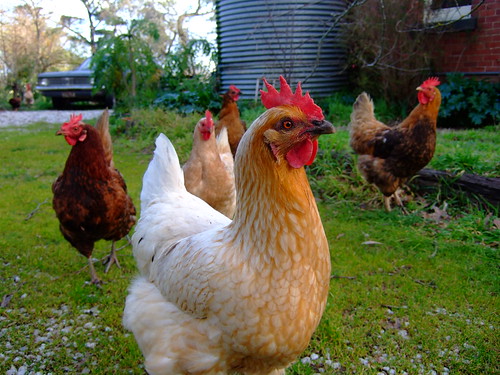
Photo: eucy
Besides, it's a great liquid fertilizer. Chook manure is a great base for a liquid fertilizer or to add to your compost heap. You never use it fresh though, as bird manure also contains their urine and will burn your crops. To make liquid manure, place it in a porous bag in a bucket and fill the bucket with water. After about three weeks or so you can use the water on and around your plants, diluted to look like weak tea. Also, you can make chook manure for compost. If you provide a litter of straw, hay or sawdust in your chook's living quarters they will turn it into great compost material for you. They will scratch it, add manure and turn it over. You can add layers of this organic matter to your compost heap or leave it to turn into a fine, dark substance.
Therefore, don't forget to consider about breeding chooks and you will see the valuable result soon. If you don't believe me, you may ask yourself in the future how come you miss to be interested in this animal.
Photo: Bimmy
The first thing that you have to be concerned is the basic requirement for preparing before feed them such as dry and fox proof shelter, a safe place to lay eggs and hatch chicks if you have a rooster, a roosting perch off the ground (allow about 20cm per bird), layer pellets or crumble for chicks should make up the majority of their diet, and kitchen scraps are great for variety. Wheat, corn or other grains should be offered occasionally, but not form the majority of their diet. Don't forget that birds have no teeth; they swallow small pebbles or grit to grind down their food in their gizzard. They must have access to a supply of grit for this purpose so doesn't feed chocolate, coffee, avocado or rhubarb, as they are toxic to chooks.
At most, they must always have access to clean, fresh water with freedom from time to time. If you don't plan on letting your chooks free range in a garden area during the day, they will be much happier if you provide them with an outside run where they will be able to scratch at the ground and enjoy the sunlight.
For assuring that the gardener should have chooks, the following benefits can show you more or less. Normally, they supply you with beautiful, fresh eggs - daily and reduce your waste so your left over will never go in the bin again. They provide you with an excellent fertilizer base and dig over the soil instead you. Also, they reduce insect numbers that great for around your orchard.
Photo: eucy
Besides, it's a great liquid fertilizer. Chook manure is a great base for a liquid fertilizer or to add to your compost heap. You never use it fresh though, as bird manure also contains their urine and will burn your crops. To make liquid manure, place it in a porous bag in a bucket and fill the bucket with water. After about three weeks or so you can use the water on and around your plants, diluted to look like weak tea. Also, you can make chook manure for compost. If you provide a litter of straw, hay or sawdust in your chook's living quarters they will turn it into great compost material for you. They will scratch it, add manure and turn it over. You can add layers of this organic matter to your compost heap or leave it to turn into a fine, dark substance.
Therefore, don't forget to consider about breeding chooks and you will see the valuable result soon. If you don't believe me, you may ask yourself in the future how come you miss to be interested in this animal.