Starting a hydroponic garden can be a big undertaking. One of thebest ways to have a successful hydroponic garden is to have a growroom. A grow room is a special growing environment for yourplants, not just a small area in a room you are currently using forstorage.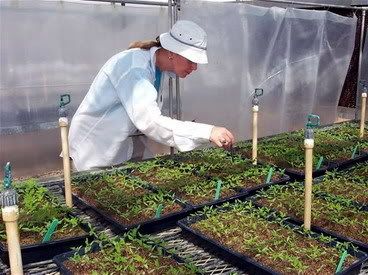
A grow room can be small and simple or large andelaborate. Luckily, there are many grow rooms on the market from completerooms that can be set up in under a half-hour to ones that may takea day or two to fully assemble. Depending on your expertise andthe amount of money you want to invest in your hobby, your growroom can be small or the size of a large greenhouse. If you are new to hydroponic gardening, a small easy to assemblegrow room is your best bet.
Many hydroponic companies offer thesegrow rooms that can be used in limited space for under $500. Miniature grow huts offer the basics that you need for your garden: a hut with a thermal plastic floor, ceiling mounts for yourlights, a filter bracket and fan.
There are plenty of add-ons thatyou may choose to add to your mini grow room such as air vents,humidity in-line fans, centrifugal blowers, heating mats, metalduct flanges and metal corners for your room. Once you have the equipment that you need for your own grow room,the fully assembled room is ready for adding your plants.
A growroom is very important for the growth of your plants because theright temperature, humidity and carbon dioxide content will eithermake your plants grow or cause their demise.
A well constructedgrow room will provide your plants with a constant temperature,consistent humidity level and the right amount of light needed tostimulate growth and eventually fruits or flowers. The correct lighting in your grow room depends on what you aregrowing.
Metal halide lighting systems produce a blue spectrum oflight and are used primarily for growing vegetables. High-pressuresodium grow lights produce a red and orange spectrum of light andare used to help growth in budding, fruiting or flowering plants.
Dual spectrum lights allow you to use two different light spectrumbulbs in the same light source. The use of the blue spectrum andred spectrum allows you to use the right light source for plants invarious stages of growth.
Fluorescent lights are used primarilyfor seedlings and starting clones. Temperature in your grow room can be controlled with one of themany controllers on the market. Temperature controllers can be setmanually or managed by your computer.
Controllers can manage boththe heating and cooling of your grow room. Proper temperaturecontrol can help the growth of your plants by keeping thetemperature at the recommended level, which is usually between 40and 97 degrees.
Many grow room owners like using an ozone generator or carbon airfilters to help control odors, especially if their grow room is intheir home. Prices for these odor killers range from $50 to $500and above but well worth it for serious hydroponic gardeners. Finally, all grow rooms should have an exhaust fan and blower.
Fans and blowers can help control the amount of carbon dioxide inyour grow room as well as regulate the amount of cool air. You caneven choose from models that are whisper quiet so they won't keepyou up at night when they come on. No matter which items you choose for your grow room you can alwaysupgrade as your garden plans change.
A grow room will help yourplants grow faster and have larger yields because of the perfectgrowing environment that they create. Set up one today and findout why hydroponic gardeners swear by them.
For more information check out the whole package at homemade-hydroponics
The Importance of Having your Own Grow Room for Hydroponics
5:50 AM
ThanateTan