Hello and Welcome to Hydroponics

Wednesday, January 31, 2007

Deficiencies and Excesses

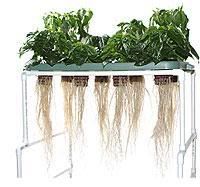
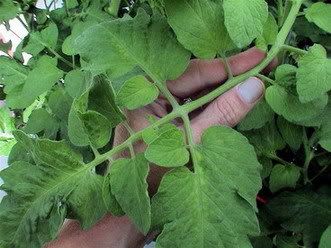
Since there is no soil to act as a buffer, your hydroponic crops will quickly respond to a nutrient deficiency or toxicity. Nutrient deficiencies are more common than excesses, with the most common deficiencies being nitrogen, iron and magnesium.
Deficiencies and excesses can be avoided by following a routine mixing procedure and schedule, daily monitoring of your nutrient solution and adequate feeding of the plants.

Website Promotion Service

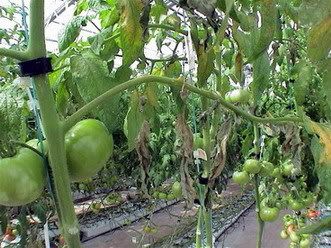
If you have an extreme deficiency or toxicity, the plants will respond quickly and symptoms such as discoloration of foliage will occur. A minor deficiency or toxicity may not initially show symptoms but eventually will affect plant growth, vigor and/or fruiting.

Tuesday, January 30, 2007

Hydroponic Nutrient Mixes

A gardener can purchase all of these minerals separately and mix their own hydroponic fertilizer. Unfortunately, the fertilizers that make up a hydroponic formula aren't sold as pure nitrogen or pure potassium, so it gets more complex. They are sold as chemical compounds, such as calcium nitrate, potassium nitrate, magnesium sulfate, potassium sulfate and mono potassium phosphate.
Since there are many dependable pre-mix hydroponic formulas available, it is generally more efficient and more economical to use a proven formula that contains all of the above mentioned nutrients in the correct quantities for plant growth. one that you simply add to water.

Website Promotion Service

Whether you are using a pre-mixed formula or creating your own" it is important to follow these guidelines:

  1. Weigh or measure the nutrients carefully.
  2. Place the nutrients in separate piles or containers to be sure the proportions make sense.
  3. Be sure no components are left out or measured twice.
  4. Accuracy should be within 5 %.
  5. When you are sure the proportions are correct, pour your nutrients into the water in the mixing containers and stir vigorously. Nutrients will dissolve best in warm water.
  6. Measure the nutrient concentration level and record it.

Monday, January 29, 2007

Plant Uses of Individual Elements:

Careful experiments using hydroponics have shown that each of the elements a plant needs has a very specific function in plant growth.

Website Promotion Service

Nitrogen:
Nitrogen is a component of proteins, which form an essential part of protoplasm and also occur as stored foods in plant cells. Nitrogen is also a part of other organic compounds in plants such as chlorophyll, amino acids, alkaloids and some plant hormones.

Sulfur:
Sulfur forms a part of the protein molecule. Plant proteins may have from .5- 1.5% of this element. The sulfhydryl group is a very important group essential for the action of certain enzymes and coenzymes. In additional sulfur is a constituent of ferredoxin and of some lipids.

Phosphorous:
This element is also a component of some plant proteins, phospholipids, sugar phosphates, nucleic acids, A TP and NADP. The highest percentages of phosphorous occur in the parts of the plant that are growing rapidly.

Potassium:
Potassium accumulates in tissues that are growing rapidly. It will migrate from older tissues to merestematic regions. For example, during the maturing of the crop there is movement of potassium from leaves into the fruit.

Calcium:
All ordinary green plants require calcium. It is one of the constituents of the middle lamella of the cell wall, where it occurs in the form of calcium pectate. Calcium affects the permeability of cytoplasmic membranes and the hydration of colloids. Calcium may be found in combination with organic acids in the plant.

Magnesium:
Magnesium is a constituent of chlorophyll. It occupies a central position in the molecule. Chlorophylls are the only major compounds of plants that contain magnesium as a stable component. Many enzyme reactions, particularly those involving a transfer of phosphate, are activated by magnesium ions.

Iron:
A number of essential compounds in plants contain iron in a form that is bound firmly into the molecule. Iron plays a role in being the site on some electron carriers where electrons are absorbed and then given off during electron transport. The iron atom is alternately reduced and then oxidized. Iron plays a very important role in energy conversion reactions of both photo synthesis and transpiration.

Boron:
Although the exact function of boron in plant metabolism is unclear, boron does playa regular role in carbohydrate breakdown. Symptoms of boron deficiency include stunted roots andshoot elongation, lack of flowering, darkening of tissues and growth abnormalities.

Zinc:
Zinc is essential to the normal development of a variety of plants. Large quantities of zinc are toxic to plants.

Manganese:
The importance of manganese as an activator of several enzymes of aerobic respiration explains some of the disruptive effects of a manganese deficiency on metabolism. The most obvious sign of a manganese deficiency is chlorosis. Manganese chlorosis results in the leaf taking on a mottled appearance.

Copper:
Copper is a constituent of certain enzyme systems, such as ascorbic acid oxidize and cyto chrome oxidize. In addition" copper is found in plastocyanin, part of the electron-transport chain in photosynthesis.

Molybdenum:
Molybdenum is important in enzyme systems involved in nitrogen fixation and nitrate reduction. Plants suffering molybdenum deficiency can absorb nitrate ions but are unable to use this form of nitrogen.

Sunday, January 28, 2007

Nutrient Requirements and Testing

Many hydroponic formulas have been developed over the past 40 years with some designed for specific plants while others are designed for general hydroponic gardening. For plant growth, the concentration of individual elements must stay within certain ranges that have been determined through scientific experimentation.

Website Promotion Service

The average concentration of these elements should fall within these parameters:
Nitrogen (nitrate form) 70 -300 PPM
Nitrogen (ammonium form) 0 -31 PPM
Potassium 200 -400 PPM
Phosphorous 30 -90 PPM
Calcium 150 -400 PPM
Sulfur 60 -330 PPM
Magnesium 25 -75 PPM
Iron .5 -5.0 PPM
Boron .1 -1.0 PPM
Manganese .1 -1.0 PPM
Zinc .02 -.2 PPM
Molybdenum .01 -.1 PPM
Copper .02 -.2 PPM
*PPM = parts per million

Friday, January 26, 2007

Over-use of Hydroponic Fertilizer

If you see any signs of over-fertlization, you should immediately flush out your growing medium to allow the plant to recover before further damage is done. Use only clean water until the plant shows symptoms of nutrient deficiency. Then you may resume your normal feeding schedule.

Depending on your hydroponic system, flushing may require top down watering to completely clean out the medium.Another good time to do a complete flush of the plant and medium is around 2 weeks before your expected harvest date. That will help prevent the vegetables from tasting like your hydroponic nutrient solution.

by : Indoor Gardening Guid

Wednesday, January 24, 2007

Measure Hydroponic Nutrient Solutions

The concentration of nutrients in your hydroponic nutrient solution is usually measured by the electrical conductivity of the dissolved minerals in the water. The unit of measure is parts per million (ppm), but this only measures the total conductivity of the solution, not the relative strength of the various minerals. This is another reason why most hydroponic nutrient solutions are sold as a mix of 3 parts instead of by individual nutrient. Once you have the correct mix between the parts, it is easy to add to or dilute the solution to achieve the correct conductivity.

Website Promotion Service

Tuesday, January 23, 2007

How Much Hydroponic Nutrient Solution?

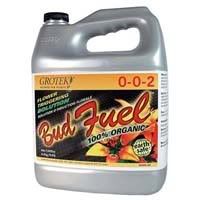
Plants require different proportions of nutrients during vegetation and flowering. Modern nutrient products are far more advanced than their earlier counterparts and now allow precise adjustments based on growth stage. Most hydroponic nutrient solutions are sold in a "growth" or "grow" formula for the vegetative growth phase and a "bloom" or "flower" formula for the flowering phase of the growth cycle. You should at least switch to the bloom formula because your yield will increase exponentially if you can max out your plant's capacity during the flowering stage.

A weak nutrient solution should be used for plants in poor growing conditions, such as low light, overheated gardens, and root-bound or crowded plants. It is also ideal for newly rooted cuttings and plants in the process of being transplanted or in transition between growing cycles.
Website Promotion Service

Regular strength solution is fine for normal, healthy plants in ideal growing conditions. In rare conditions, you may be able to increase the fertilizer strength to capitalize on the efficiency of your garden. This only works if you have high quality lighting, ventiliation, and CO2 production that will allow your plants to grow fast enough to handle the extra feedings. Always make sure to increase the fertilizer strength gradually to avoid burning the plant.

In addition to the basic types of hydroponic nutrient solution, there are also various additives you can purchase to boost your plant's growth. Keep good records in your growlog of what additives are used, when they were applied, and the results (good or bad). This will give you a good reference guide on what worked and what didn't work for your future grows. Flush your hydroponic system immediately if you see any signs of an adverse reaction.

Monday, January 22, 2007

Hydroponic Nutrient Solutions

Most plant problems are a result of using the wrong amount of fertilizer. Too little and your plants are weak and underfed, too much and you can burn the plant and even kill it. In most cases, it is a judgment call and requires constant monitoring and adjusting as the plant matures. This section contains general guidelines that apply to fertilizing most types of plants.

Website Promotion Service

Hydroponic nutrient solutions are sold in concentrated form and added to your indoor garden's water supply at a certain ratio. The ideal concentration for your hydroponic solution is about 150-600 parts per million (ppm). For most plants, you can narrow that range down to 300-400 ppm. They are typically sold in two or three parts because some of the nutrients cannot be combined directly. Always mix each part of your nutrient solution directly into the water, never into another nutrient type.

Sunday, January 21, 2007

Hydroponic Nutrients

The greatest advantage of hydroponic growing is that it allow you to precisely control the growing environment surrounding your plants. This includes complete control of every nutrient available to the plant's roots. Soil growing does not permit this flexibility because soil can contain many minerals and salts. In an indoor hydroponic system, the growing medium does not contain any nutrients on its own, allowing the indoor gardening to control the exact amount of hydroponic nutrients received by the plant just by adjusting the concentration of the hydroponic nutrient solution.

Website Promotion Service

Plants grown outdoors in soil obtain their nutrients from the decomposed matter of organic material. Here is a very non-scientific description of the process: All organic matter that falls to the ground is decomposed by fungi or digested by insects and animals until it provides a compost. This compost is then fed off of by microbes which expel the plant's essential nutrients as its waste products. Rain washes these elements deep into the soil, where they remain until absorbed by a plant's roots.

There are 3 primary hydroponic nutrients which are required by your plants for maximum yield. These are Nitrogen (N), Phosphorus (P), and Potassium (K). The concentration of each is usually listed on the nutrient solution's label. For example, a solution with 20-20-20 on the label contains 20% N, 20% P, and 20% K.

There are also several secondary hydroponic nutrients that are used by the plant at various times during its growth cycle, but are not as essential as the primary nutrients. Small amounts of these minerals are added to most hydroponic nutrient products to ensure that your plants receive the full spectrum of the elements they need. Some of these secondary hydroponic nutrients include Calcium, Magnesium, Sulfur, Iron, Molybdenum, and Boron.

Indoor Gardening Guide

Friday, January 19, 2007

Pest Control

Early hydroponic operations were devastated by pest problems. White flies, leaf miners, pin worms, nematodes, Cladosporium leaf mold and viruses, as well as root diseases such as Pythium root rot and bacterial wilt, were common. Today, unlike 20 years ago, the drain solution is often sterilized (Runia, 1995). The options are heat treatment, ozone and ultraviolet radiation. The University of Arizona has a program to control certain root diseases with surfactants or by using nonchemical approaches. While the results are not yet practiced in hydroponic systems, the results look promising.

Website Promotion Service

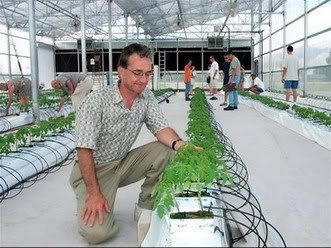
Today integrated pest management (IPM) is of particular interest to Americans in CEA because of the paucity of pesticides with legal clearance for use in greenhouses. The frightening ability of some pests to develop resistance to chemical pesticides has revived worldwide interest in the use of natural enemies of insect pests, particularly when used in association with horticultural practices, genetics and other control mechanisms. Tomorrow's growers may be growing crops without applying any chemicals to control diseases and insects. Crop production requires both the identification of possible crop disease and insect problems, and the ability to properly integrate disease and insect prevention and control practices into a total management plan.

Thursday, January 18, 2007

Hydroponic - Soilless Culture

While there are many types of growing systems, the two most popular growing media today are rockwool and perlite. Due to the high cost of rockwool, root volume is being reduced. Growers in Arizona are growing six tomato plants from a rockwool slab no bigger than 7.5 x 130 x 15 cm. Each plant has a root volume no greater than 2438 cm3. (A gallon contains 3608 cm3.) The irrigation system may be activated more than 30 times per day. At the University of Arizona, excellent tomato crops have been grown in a container no larger than 956 cm3. In this case, the irrigation system was left on continuously to optimize root aeration, pH, and nutrition. Maximum yields were 12.8 kg of tomatoes per plant over a 6-month period.
Website Promotion Service

In the future, growers will provide little root volume in order not only to reduce media cost but to maximize control over mineral nutrition, pH, aeration and root diseases. Unbelievably high salt levels are maintained in the root systems where the E.C. of the feed solution will approach 3.5 and the drain water at an E.C. of 4.5 to 5.0. This helps to control plant growth as well as flavor of the tomato fruit. All systems in the future will be closed, with no drainage, preventing any loss of mineral elements and the contamination of groundwater. For health reasons, hydroponic systems may be used to reduce nitrogen levels in leafy vegetables at harvest. This is especially true in Europe for such crops grown under low winter light intensities.

Tuesday, January 16, 2007

Structures and Environmental Control

The European glass structures that today are commonly being built for vegetable production in the southwestern part of the United States are very different from the polyethylene/fiberglass houses used in hydroponic production between 1965 and 1990. The European structures are much higher.

To achieve a more uniform growing environment, without rapid temperature fluctuations, more total volume of space is being allotted within a greenhouse; today the gutters of greenhouse structures are commonly more than 5 m above ground level.

Website Promotion Service

The types of polyethylene sheet films are much the same except those introduced over a decade ago that retard the loss of infrared heat These films are reported to reduce 20% of the heat loss from a greenhouse and have become common in today's industry, especially in Europe. Other glazing materials, such as fiberglass, polyvinyl chloride, Mylar and Tedlar, have proven either less appropriate, inconvenient, or in most cases, much more expensive than polyethylene, even though the latter may have to be replaced more frequently. Newer materials, such as polycarbonates and acrylics have become much more common, but their popularity has been offset by high costs.

Greenhouses are expensive, however, and controlling the environment within a greenhouse requires considerable energy. Starting 20 years ago, there was major research emphasis on the use of solar energy and reject heat from large industrial units. Although solar energy as a greenhouse heat source is technically feasible, it has not proven economical because of collection and storage costs. The economics of using waste heat from generating plants favors incorporating the heat-use system into the overall plans for new plants, rather than modifying existing ones.

In the last 10 years, there has been interest in the development of cogeneration plants; small electrical plants receive government assistance if designed to use the waste heat from the electrical generators. Several such facilities have been established that use the waste heat either to heat greenhouse vegetables or water for fish production. While such opportunities are inviting, excess government regulation and red tape have discouraged many investors from taking advantage of such opportunities.

Whatever the source of energy, it should be conserved once it is in the greenhouse. In regions of cold winter weather, thermal curtains of porous polyester or an aluminum foil fabric are installed to reduce night heat loss by as much as 57%. In the deserts of the southwest, winter temperatures are not severe enough to warrant curtains. While curtains will provide energy savings, they are not sufficiently effective to warrant their high cost. Furthermore, the shade from the curtains, even when rolled up and stored during the day, can reduce yields.

Computers can operate hundreds of devices within a greenhouse (vents, heaters, fans, hot water mixing valves, irrigation valves, curtains. lights. etc.) by utilizing dozens of input parameters, such as outside and inside temperatures, humidity, outside wind direction and velocity, carbon dioxide levels and even the time of day or night. Unlike early control systems, computers are used today to collect and log data provided by greenhouse production managers. A computer can keep track of all relevant information. such as temperature, humidity, C02, and light levels. It dates and time tags the information and stores it for current or later use. Such a data acquisition system enables the grower to gain a comprehensive understanding of all factors affecting the quality and timeliness of the product.

University of Arizona

Energy & Water

There are many choices of energy sources, such as natural gas, propane, fuel oil and electricity. Many early hydroponic growers did not consider cost differences between the types of energy. Many used natural gas and fuel oil. Coal was once used but air pollution standards and regulations make the use of this fuel prohibitively expensive.

There is new interest today in lighting greenhouses with high intensity-discharge lamps. Both the capital and operating cost of such systems are extremely high and will not, in the foreseeable future, permit competition with winter greenhouse vegetables grown in highlight regions. An exception may be in Quebec, Canada, where the electrical rates are extremely low.

Website Promotion Service

Water quality has become a major concern of greenhouse growers, especially where large amounts of water are applied to a restricted volume of growing medium. Plant growth is affected by the interaction of the dissolved chemical elements in the water supply, the chemical properties of the growing medium to which the water is applied, and the fertility program employed.

In selecting a greenhouse site, a grower must be aware of several chemical properties that might cause problems for greenhouse growers: pH, alkalinity, soluble salts, calcium, magnesium, boron, fluoride, chloride, sulfates, sodium, carbonate, and iron. The cleaner the water, the greater the opportunity to achieve maximum yields. The water designated for use in a greenhouse must be analyzed for agricultural suitability during greenhouse site selection.

Saturday, January 13, 2007

Controlled Environment Agriculture

Prior to 1970, the greenhouse vegetable industry was located near the high-population centers, mainly in the states of Ohio, Michigan, and Massachusetts. In 1867, a committee of the Massachusetts Horticultural Society noted the rapid growth of vegetables under glass and suggested that prizes be offered to encourage the practice (Massachusetts Horticultural Society, 1880). All commercial production was in soil.
In 1965, Ohio was the major greenhouse vegetable region in the United States, with more than 240 ha. After 1970, with the rapid rise in energy cost to heat greenhouses, along with the construction of superhighways to transport fresh produce from southern regions, Ohio became an importer of tomatoes. Today, the greenhouse vegetable industry in these eastern states has collapsed and is insignificant.
With the superhighways in America, the energy required to transport fresh vegetables from the southern region of the United States and from Mexico is less than that required to heat a greenhouse. For example, in conventional greenhouses in Ohio, nearly 40,000 kcal of energy are required to grow 1 kg of tomatoes vs. only 4000 kcal in the open field. Shipping 1 kg of tomatoes 5000 km north by semi-truck expends only 1865 kcal of energy.


Website Promotion Service

Along with the light factor are temperature considerations, especially in the southwest desert. For example, if tomatoes are selected as the crop to be grown year-round, low elevations must be avoided, due to the difficulty in maintaining desirable temperatures in the greenhouse during late spring and early fall, even with fan and pad cooling. In the late 1960s, hydroponic installations were installed in low-elevation regions in Texas and Arizona. In most regions of Texas, evaporative cooling is ineffective due to high ambient humidity. Escalating energy costs in the 1970s added to the costs of cooling in the summer, as well as heating during the winter months. This, coupled with insect and disease problems and high amortization costs, especially when growers were purchasing turnkey greenhouse systems rather than building their own growing system, caused most hydroponic installations to fail financially. This was true not only in Texas and Arizona, but throughout the United States.
Given the high cost of fan and pad equipment, future hydroponic growers will be selecting sites at specific elevations that have summer temperatures that do not require evaporative cooling, therefore sparing the costs of such cooling equipment. At the same time, an elevation should be selected that is not too high in order to avoid high heating costs in winter. In southern Arizona, such an elevation for tomato production would range from 1250 to 1675 m and for cucumber production, 600 to 1250 m.
Proposed as an alternative to fan and pad cooling is high-pressure fog systems. Recent experiences have proven this method of cooling desirable if the feed water is absolutely free of any undissolved or dissolved solids. It is important for the greenhouse structure to have ridge vents to accommodate ample air exchange for prescribed temperature and humidity control. Any time a grower deviates from the prescribed growing temperatures for a given crop, yields will be lowered. The more a grower has to cool or heat a greenhouse in order to maintain recommended temperatures, the greater the cost to operate the facility, therefore lessening financial return. If evaporative cooling systems are used, locating the greenhouse in a region of low outdoor humidity is important.


Website Promotion Service

Especially important is selection of a site free of insects that might be vectors for severe virus diseases. Early hydroponic ventures did not consider this. In the United States and Mexico, sites were selected where white flies existed. These can be a vector of gemini viruses, which are extremely lethal to most solanaceous and cucurbit crops. Screens on air intakes do not always work, as the white fly almost always gains entry into the growing area. Growing in regions where there are mild winters normally increases the incidence of insects and diseases due to the continued life cycle of the pest. Selecting a site that isn't already a major producer of vegetable crops is also advisable.
University of Arizona

Friday, January 12, 2007

Hydroponics Historical Review

The development of hydroponics has not been rapid. Although the first use of CEA was the growing of off-season cucumbers under "transparent stone" (mica) for the Roman Emperor Tiberius during the 1st century, the technology is believed to have been used little, if at all, for the following 1500 years.

Greenhouses (experimental hydroponics) appeared in France and England during the 17th century; Woodward grew mint plants without soil in England in the year 1699. The basic laboratory techniques of nutrient solution culture were developed (independently) by Sachs and Knap in Germany about 1860 (Hoagland and Arnon, 1938).

In the United States, interest began to develop in the possible use of complete nutrient solutions for large-scale crop production about 1925. Greenhouse soils had to be replaced at frequent intervals or else be maintained in good condition from year to year by adding large quantities of commercial fertilizers. As a result of these difficulties, research workers in certain U.S. agricultural experiment stations turned to nutrient solution culture methods as a means of replacing the natural soil system with either an aerated nutrient solution or an artificial soil composed of chemically inert aggregates moistened with nutrient solutions (Withrow and Withrow, 1948).

Between 1925 and 1935, extensive development took place in modifying the methods of the plant physiologists to large-scale crop production. Workers at the New Jersey Agricultural Experiment Station improved the sand culture method (Shive and Robbins, 1937). The water and sand culture methods were used for large-scale production by investigators at the California Agricultural Experiment Station (Hoagland and Arnon, 1938). Each of these two methods involved certain fundamental limitations for commercial crop production, which partially were overcome with the introduction of the subirrigation system initiated in 1934 at the New Jersey and Indiana Agricultural Experiment Stations (Withrow and Withrow, 1948). Gericke (1940) published a description of a quasi-commercial use of the liquid technique and apparently coined the word hydroponics in passing. The technology was used in a few limited applications on Pacific islands during World War II. After the war, Purdue Univ. popularized hydroponics (called nutriculture) in a classic series of extension service bulletins (Withrow and Withrow, 1948) describing the precise delivery of nutrient solution to plant roots in either liquid or aggregate systems. While there was commercial interest in the use of such systems, hydroponics or nutriculture was not widely accepted because of the high cost in construction of the concrete growing beds.

After a period of ~20 years, interest in hydroponics was renewed with the advent of plastics. Plastics were used not only in the glazing of greenhouses, but also in place of concrete in lining the growing beds. Plastics were also important in the introduction of drip irrigation. Numerous promotional schemes involving hydroponics became common with huge investments made in growing systems.

Greenhouse areas began to expand significantly in Europe and Asia during the 1950s and 1960s, and large hydroponic systems were developed in the deserts of California, Arizona, Abu Dhabi, and Iran about 1970 (Fontes, 1973; Jensen and Teran, 1971). In these desert locations, the advantages of the technology were augmented by the duration and interest of the solar radiation, which maximized photosynthetic production.

Unfortunately, escalating oil prices, starting in 1973, substantially increased the costs of CEA heating and cooling by one or two orders of magnitude. This, along with fewer chemicals registered for pest control, caused many bankruptcies and a decreasing interest in hydroponics, especially in the United States.

Since the inception of hydroponics, research to refine the methodology has continued. In the late 1960s researchers at the Glasshouse Crops Research Institute (GCRI), Littlehampton, England developed the nutrient film technique along with a number of subsequent refinements (Graves, 1983). This research gave rise to the hydroponic systems used today. Jensen and Collins (1985) published a complete review of hydroponics highlighting many new cultural systems developed in Europe and the United States.

Almost 20 years have passed since the last real commercial interest in hydroponics, but today there is renewed interest among growers establishing CEA/hydroponic systems. This is especially true in regions where there is concern about controlling pollution of ground water with nutrient wastes or soil sterilants. Today growers appear to be much more critical in regard to site selection, structures, the growing system, pest control, and markets.

from : University of Arizona

Tuesday, January 09, 2007

Choosing a Hydroponic Grow Light

HID light bulbs setups have made the pipe dream of year-around horticulture a possibility for tens of thousands of indoor growers and industrial nursery gardeners everywhere. Thanks to their amazing production (up to ten times more lm per w than incandescent lightbulbs) and a colour range that plants prefer, indoor gardeners are able to achieve amazing yield year-around. Metal halide (MH) lightbulbs let out chiefly blueish light, making them good for the vegetating development phase.

HID lighting is utilised all over the world by industrial cultivators. HID lamps furnish various advantages that are otherwise unachievable with traditional fluoro and incandescent lights. Auxiliary HID lighting allows industrial agriculturists to boost harvest production send harvests to marketplace on time and bring out plants whole out of climate which could be very monetarily beneficial. HID lighting is so effective and intense that numerous indoor gardeners benefit from its use year-around. HID lights are operated by stock one hundred ten to one hundred twenty volt AC wall electric current and have a standard three-prong adapter to link up Most grow lamps come complete with a ballast resistor lightbulb and reflective hood.

Photobucket - Video and Image Hosting

Plants have the unequalled power to construct their own energy. In the function known as photosynthesis, chlorophyll utilise light energy to process CO2 from the oxygen and H2O from the earth into nutrients and sugars. When these vital nutrients are plentiful in a desired surroundings the growth of nutrients is bound solely by aspects that impact photosynthesis, being the strength, colour, and time period of the day-after-day light the plant absorbs.

High pressure sodium (HPS) light bulbs give off mainly reddish light, which leads to magnified fruiting and fruiting in the plant fruiting phase. Cooler (blue) and warmer (orange) colours in the rainbow raise chlorophyll production and energy fruit. Cooler light is most obvious during the summertime calendar months when the sun is higher in the skyline. It is important for maintaining plants' growth tight and well-shaped. Warmer light, such as when the sun is lower down in the skyline during the autumn harvest calendar months, is crucial for setting off blooming in plants in the form of blossoms and fruit yield.

Thus, if you prefer to grow for the most part bushy harvests such as cabbage and vegetating herbaceous plants, your better option is a metal halide plant lights arrangement. If you choose to grow blossoming plants, the high pressure sodium lamp is your better choice. As a matter of fact, there are conversion light bulbs which permit you to get one kind of organization and apply both kinds of lightbulbs. Conversion lamps cost more but give you the extra advantage of being able to begin your crops with the metal halide light bulb assuring taut, small development and then converting over to the high pressure sodium light bulb when the plants are set to bloom and blossom for increased production. The most recent discovery is in convertible ballast resistors which may employ regular metal halide and high pressure sodium lightbulbs.

The chief plus to employing a HID gardening lamps setup is the mastery it permits you over your plant's growing conditions. Hydroponic grow lights rigs let us all to expand the growing time of year by supplying our favourite plants with an inside alternative to sun. This is a key plus for those of us who prize having a year-around supply of novel blooms vegetables and herbaceous plants.

An additional benefit of inside grow lamps is your power to master the duration of sunlight thus giving you the capacity to forcibly bloom your favourite species even when entirely not in season. Remember, to grow choice plants, the key to the ideal light is colour, concentration, and continuance.

High performance bulbs take inside horticulture to the next degree By using solely the highest calibre constituents. You could now get bulbs that may come nearly to simulating normal sunshine. The latest bluish burning metal halide lights produce colours very pleasantly. Even more critical is the maturation they could bring forth in your garden. You will have very low, bushier plants, as vital as could be and with quite healthy bases. This is usually the opposite of plants cultivated under regular high pressure sodium and stock metal halide lamps.

by: Katherine Keleher

Friday, January 05, 2007

Environmental Controls

Temperature is another important design parameter of your grow room and it is something that must be borne in mind from the beginning. Most plant species will grow most effectively in the temperature range of 20-28?C, the mid twenties being optimal. It will not be difficult to maintain this sort of temperature in your room while the lights are on as they are a great source of heat as well as light. If temperatures should become too high, a simple extractor fan should serve to reduce them. This extractor can be easily linked to a thermostat to ensure that your room never reaches the high temperatures that can have a negative effect on growth rates.
When your lights are off, however, you will expect a gradual decline in temperatures. In the colder parts of the year, they will drop well below the ideal growth range. Recent research has shown that night cycle temperatures are just as significant as day cycle temperatures in plant production and it is in fact the relationship between them that has most effect on the final shape and productivity of the plant.

It is important to avoid large temperature fluctuations between the day and night cycles as this can lead to weak and poorly formed plants. It is ideal for most species to try and bring day and night temperatures as close together as possible and this is not as difficult as it sounds.

Photobucket - Video and Image Hosting
Meters
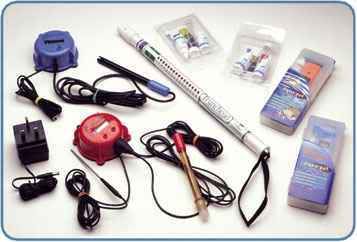
These CF / TDS and pH meters are extremely robust and of a high calibre and come highly recommended. The conductivity (CF / TDS) meters and pH meters are used in testing the strength of nutrient solutions.
There are several meters available on the market. The meters listed have been specially selected because of their reliability. When using NFT, Flood And Drain and Rockwool slab culture, growers can control and manage the pH and strength (conductivity or CF/TDS) of the nutrients and ensure fast growth rates and greater yields.
Environmental Units
Vapourtek neutralises strong odours. However, it doesn't replace carbon filters in a growing environment, but can be useful in dealing with odours from adjoining rooms. The Silver Bullet Ozone Generator encourages plant growth. It also discourages insects but primarily dissolves odours. This is a tried and tested safe domestic appliance.
Cool and Warm Mist Humidifier
Automatic humidity control. Transparent water tank: 7 l. Easy maintenance. Alarm for water refilling& tank cleaning.
Timers And Relays
One of the most common and serious problems experienced by growers is hydroponic lighting timer failures. Household timers purchased from major manufacturers are simply not designed to handle the (inductive) power loads of hydroponic lighting. Contactor relays are the answer. You can still use the standard timer, but power is routed through the contactor relay and not the timer. Alternatively, we also offer relays that have built-in timers. Timers will switch on your contactor and lights as and when required.
Autonomous Environmental Control Systems - Fan Controllers
The Sunbeam fan controller switches fans on when the room is too hot and switches fans off when the room is too cold. Intended for use with a simpler inlet or extraction fan. Temperature is set with the single rotary dial.
Osmosis
In some parts of the UK, water quality is poor so it can be difficult to obtain optimum results expected from hydroponics. Reverse Osmosis (RO) is the answer. This is a water purifier which removes all unwanted residues and particles from your water, thereby giving the grower better quality water. These need to be ordered in advance so the exact model best suited to the type of water in the grower's area is supplied. However, chances are that most growers won't require one. If you are in any way unsure, please contact us, so that we can advise and order a unit for you.
MicroPonic Systems
This instrument automatically measures the CF/TDS/EC of the nutrient reservoir and will automatically add the correct amount of nutrient as and when it is required, thereby ensuring that the nutrient level is always at an optimum level for plant uptake.
Water And Air Pumps
Air pumps aerate your system and enable faster growth. Esoteric Hydroponics offer air and water pumps that are silent and reliable.
Water Heaters
It is important to maintain the temperature nutrient solution between 20-24?C as this will ensure better growth rates and is particularly important during the colder season.
With water heaters they are only to be used in environments that are very cold. You are not meant to heat the water, just remove the chill from it. The water would still seem colder than it would warmer. Feeding your plants warm water is more detrimental than feeding them cold water.
Indestructible Water Heater
Thermostatically controlled indestructible water heaters. The Bentley of water heaters. How many traditional glass ones have you already been thru? Well, never again with these all singing and dancing beauties.
Vecton UV Steriliser - Destroys Pythium
The use of Ultraviolet lamps to treat your hydroponic nutrient solution helps to control and can completely eliminate pythium where it has taken hold in a re-circulating hydroponic system. In a normal growing environment pythium tends not to occur however, if it does occur it can decimate a crop in no time at all. To control and eradicate pythium from your system, simply connect the Vecton UV Steriliser to a pump and continuously pump your nutrient solution through this steriliser.
It is recommended that you also use UV balance as the steriliser can knock out some delicate food chains in your nutrient solution. This is specially formulated to correct any potential imbalances that may occur from using a UV steriliser.
Ecotechincs Temperature Control Unit
Temperature is one of the most important environmental factors in your grow room / glasshouse all plants have an optimum temperature at which they will grow at and a minimum and maximum temperature that they can survive therefore temperature is very important to the health & growth rate of all plants.
The Evolution digital temperature control System constantly monitors the temperature in the growing area and independently controls an extractor fan & a heater in order to optimise conditions for plant growth.
Plants grown in optimised environments grow much faster and bigger resulting in increased yields and decreased crop cycle times.
This Controller can be used in conjunction with the new Evolution Carbon Dioxide controller.
Harvest-Master 'Climate' Controller
I take the guesswork out of growing your plants and turning them into a crop. Just plug me in! I check what you have connected and how it works. Youhardly need to open the manual. I learn about everything, and keep on learning about "atmosphere"; temperature, humidity and climate changes minute by minute, day after day! That's my job!
Combined Environmental Controllers
An all in one environmental controller. It features a thermostatic fan controller, a humidistat fan controller, a thermostatic heat controller and a CO2 monitor and injector. In short, you can control CO2, inlet and extraction fans, and heaters.

from - www.1-hydroponics.co.uk

.........

Thursday, January 04, 2007

Hydroponics development History

The development of hydroponics has not been rapid. Although the first use of CEA was the growing of off-season cucumbers under "transparent stone" (mica) for the Roman Emperor Tiberius during the 1st century, the technology is believed to have been used little, if at all, for the following 1500 years.

Greenhouses (experimental hydroponics) appeared in France and England during the 17th century; Woodward grew mint plants without soil in England in the year 1699. The basic laboratory techniques of nutrient solution culture were developed (independently) by Sachs and Knap in Germany about 1860 (Hoagland and Arnon, 1938).

In the United States, interest began to develop in the possible use of complete nutrient solutions for large-scale crop production about 1925. Greenhouse soils had to be replaced at frequent intervals or else be maintained in good condition from year to year by adding large quantities of commercial fertilizers. As a result of these difficulties, research workers in certain U.S. agricultural experiment stations turned to nutrient solution culture methods as a means of replacing the natural soil system with either an aerated nutrient solution or an artificial soil composed of chemically inert aggregates moistened with nutrient solutions (Withrow and Withrow, 1948).

Between 1925 and 1935, extensive development took place in modifying the methods of the plant physiologists to large-scale crop production. Workers at the New Jersey Agricultural Experiment Station improved the sand culture method (Shive and Robbins, 1937). The water and sand culture methods were used for large-scale production by investigators at the California Agricultural Experiment Station (Hoagland and Arnon, 1938). Each of these two methods involved certain fundamental limitations for commercial crop production, which partially were overcome with the introduction of the subirrigation system initiated in 1934 at the New Jersey and Indiana Agricultural Experiment Stations (Withrow and Withrow, 1948). Gericke (1940) published a description of a quasi-commercial use of the liquid technique and apparently coined the word hydroponics in passing. The technology was used in a few limited applications on Pacific islands during World War II. After the war, Purdue Univ. popularized hydroponics (called nutriculture) in a classic series of extension service bulletins (Withrow and Withrow, 1948) describing the precise delivery of nutrient solution to plant roots in either liquid or aggregate systems. While there was commercial interest in the use of such systems, hydroponics or nutriculture was not widely accepted because of the high cost in construction of the concrete growing beds.

After a period of ~20 years, interest in hydroponics was renewed with the advent of plastics. Plastics were used not only in the glazing of greenhouses, but also in place of concrete in lining the growing beds. Plastics were also important in the introduction of drip irrigation. Numerous promotional schemes involving hydroponics became common with huge investments made in growing systems.

Greenhouse areas began to expand significantly in Europe and Asia during the 1950s and 1960s, and large hydroponic systems were developed in the deserts of California, Arizona, Abu Dhabi, and Iran about 1970 (Fontes, 1973; Jensen and Teran, 1971). In these desert locations, the advantages of the technology were augmented by the duration and interest of the solar radiation, which maximized photosynthetic production.

Unfortunately, escalating oil prices, starting in 1973, substantially increased the costs of CEA heating and cooling by one or two orders of magnitude. This, along with fewer chemicals registered for pest control, caused many bankruptcies and a decreasing interest in hydroponics, especially in the United States.

Since the inception of hydroponics, research to refine the methodology has continued. In the late 1960s researchers at the Glasshouse Crops Research Institute (GCRI), Littlehampton, England developed the nutrient film technique along with a number of subsequent refinements (Graves, 1983). This research gave rise to the hydroponic systems used today. Jensen and Collins (1985) published a complete review of hydroponics highlighting many new cultural systems developed in Europe and the United States.

Almost 20 years have passed since the last real commercial interest in hydroponics, but today there is renewed interest among growers establishing CEA/hydroponic systems. This is especially true in regions where there is concern about controlling pollution of ground water with nutrient wastes or soil sterilants. Today growers appear to be much more critical in regard to site selection, structures, the growing system, pest control, and markets.

Controlled Environment Agriculture
Prior to 1970, the greenhouse vegetable industry was located near the high-population centers, mainly in the states of Ohio, Michigan, and Massachusetts. In 1867, a committee of the Massachusetts Horticultural Society noted the rapid growth of vegetables under glass and suggested that prizes be offered to encourage the practice (Massachusetts Horticultural Society, 1880). All commercial production was in soil.

In 1965, Ohio was the major greenhouse vegetable region in the United States, with more than 240 ha. After 1970, with the rapid rise in energy cost to heat greenhouses, along with the construction of superhighways to transport fresh produce from southern regions, Ohio became an importer of tomatoes. Today, the greenhouse vegetable industry in these eastern states has collapsed and is insignificant.

With the superhighways in America, the energy required to transport fresh vegetables from the southern region of the United States and from Mexico is less than that required to heat a greenhouse. For example, in conventional greenhouses in Ohio, nearly 40,000 kcal of energy are required to grow 1 kg of tomatoes vs. only 4000 kcal in the open field. Shipping 1 kg of tomatoes 5000 km north by semi-truck expends only 1865 kcal of energy.

Along with the light factor are temperature considerations, especially in the southwest desert. For example, if tomatoes are selected as the crop to be grown year-round, low elevations must be avoided, due to the difficulty in maintaining desirable temperatures in the greenhouse during late spring and early fall, even with fan and pad cooling. In the late 1960s, hydroponic installations were installed in low-elevation regions in Texas and Arizona. In most regions of Texas, evaporative cooling is ineffective due to high ambient humidity. Escalating energy costs in the 1970s added to the costs of cooling in the summer, as well as heating during the winter months. This, coupled with insect and disease problems and high amortization costs, especially when growers were purchasing turnkey greenhouse systems rather than building their own growing system, caused most hydroponic installations to fail financially. This was true not only in Texas and Arizona, but throughout the United States.

Given the high cost of fan and pad equipment, future hydroponic growers will be selecting sites at specific elevations that have summer temperatures that do not require evaporative cooling, therefore sparing the costs of such cooling equipment. At the same time, an elevation should be selected that is not too high in order to avoid high heating costs in winter. In southern Arizona, such an elevation for tomato production would range from 1250 to 1675 m and for cucumber production, 600 to 1250 m.

Proposed as an alternative to fan and pad cooling is high-pressure fog systems. Recent experiences have proven this method of cooling desirable if the feed water is absolutely free of any undissolved or dissolved solids. It is important for the greenhouse structure to have ridge vents to accommodate ample air exchange for prescribed temperature and humidity control. Any time a grower deviates from the prescribed growing temperatures for a given crop, yields will be lowered. The more a grower has to cool or heat a greenhouse in order to maintain recommended temperatures, the greater the cost to operate the facility, therefore lessening financial return. If evaporative cooling systems are used, locating the greenhouse in a region of low outdoor humidity is important.

Especially important is selection of a site free of insects that might be vectors for severe virus diseases. Early hydroponic ventures did not consider this. In the United States and Mexico, sites were selected where white flies existed. These can be a vector of gemini viruses, which are extremely lethal to most solanaceous and cucurbit crops. Screens on air intakes do not always work, as the white fly almost always gains entry into the growing area. Growing in regions where there are mild winters normally increases the incidence of insects and diseases due to the continued life cycle of the pest. Selecting a site that isn't already a major producer of vegetable crops is also advisable.

from - arizona.edu

Tuesday, January 02, 2007

Hydroponics Supply

Growing media is an essential part of any hydroponic growing system. Simply put, growing media is a soil substitute. There are many types of grow media available, each offering different advantages. These media are all inert, sterile substrates that have excellent aeration properties. Rockwool 2.5cm (1") cubes are ideal for starting seedlings / cuttings, and then can be transferred into 7.5cm (3") cubes.

Afterwards, growing cubes are either planted onto rockwool slabs or into your hydroponic system or other substrate like GreenMix which is a mixture of water retentive and water repellent rockwool. This gives better drainage.

Clay pebbles are by far the most popular potting on hydroponic medium and are used in flood and drain, drip irrigation, passive systems, even some NFT systems. This medium provides excellent aeration, superb pH stability and can be re-used. it can also be mixed with soil to improve aeration and drainage.

When using rockwool to raise or start seedlings; make a stock solution using your grow nutrient or similar to a TDS / CF reading of 10-12 then pH adjust that stock solution down to 5.5pH. Decant this solution into a bottle so you can feed this to the rockwool as and when needed. Shake bottle well before sprinkling. Do no over soak or let rockwool sit in a puddle of nutrient.


Rockwool Cubes, Transplanting Cubes
These are ideal for transferring and growing seedlings and cuttings grown in SBS cubes. At this point, the growing cubes are planted on into NFT systems or GroDan Rockwool Slabs.


Rockwool Slabs
The slab method is most commonly used by commercial farmers to grow larger, high productivity plants (tomatoes or cucumbers) and large scale flower production. Drip irrigation is the preferred method to feed plants at regular intervals. Three sizes are available.


GreenMix
This is also known as GoldenWool. GreenMix is a rockwool granulate made up of water absorbent and water repellent properties with unique pH buffers. This offers very good aeration and drainage qualities and is a favourite of many growers because it's easy to use and has reliable results.


Perlite
These are made from processed granules of volcanic rock. Perlite has excellent capillary properties and doesn't compact which makes for good aeration. These are sometimes used in pot culture or with drippers.Clay Pebbles
Hydroton clay pebbles from Germany are lightweight, uniform, pH neutral and re-usable. For most applications, 8-16mm is the most popular size.


Canna Coco
Often mixed with perlite for seed and clone raising.

Photobucket - Video and Image Hosting

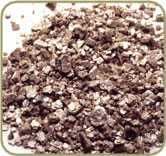
Vermiculite
Often mixed with perlite for seed and clone raising.


Spreader Mats
Replacement spreader mats for NFT systems.

Jiffy Pellets
Start seedlings with Jiffy pellets. Soak pellets for less than five minutes then sqeeze to introduce air and prevent water logging. Using a match, create a hole for one seed. Insert seed and cover. Place in propagator.

from http://www.1-hydroponics.co.uk

Monday, January 01, 2007

Happy New Year

Happy New Year

Hydroponics News


Free Blogger Templates by Isnaini Dot Com. Powered by Blogger